


Raw Milk: Nature’s Perfect Superfood or Misunderstood Marvel?
Posted In
February 1, 2025
Posted On
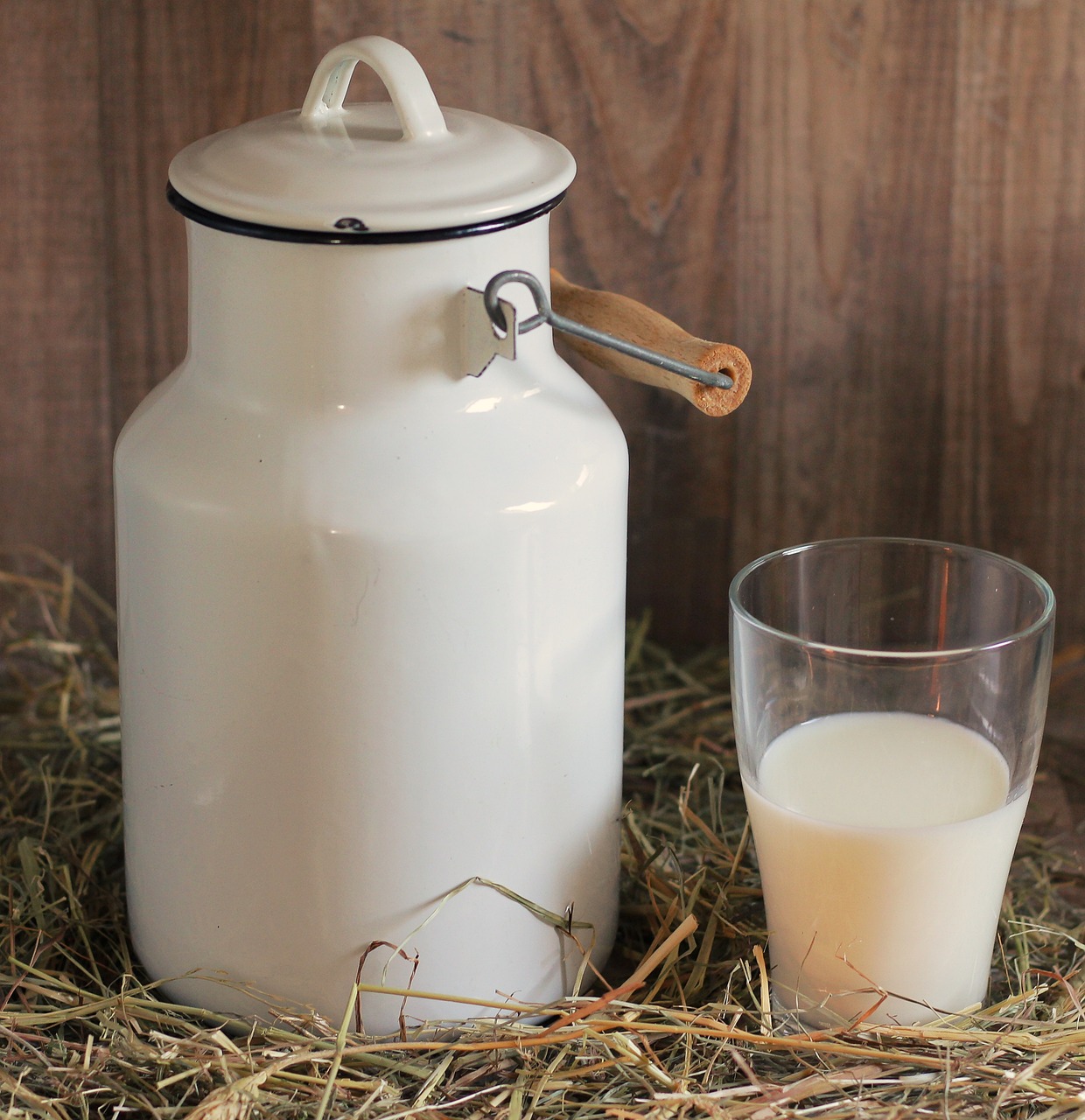
For centuries, raw milk was considered a staple of vibrant health. Unprocessed, unpasteurized, and straight from the source, raw milk is a nutrient-dense food that nourished our ancestors in ways few other foods could. But today, raw milk often faces fear and misinformation. Let’s explore the fascinating history, science, and truth about why real (raw) milk deserves a second look.
The History: Pasteur vs. Nature
The story of raw milk’s decline begins with Louis Pasteur, whose pasteurization process became the standard for “safety” in food production. But what many don’t realize is that this process also stripped milk of its life-giving properties.
- Pasteurization heats milk to 120°F, and ultra-pasteurization heats it to 140°F or higher. At these temperatures, all living enzymes, beneficial bacteria, and nutrients are destroyed. What’s left? A lifeless white liquid marketed as a health food.
- This shift wasn’t based on milk itself being dangerous—it stemmed from contamination issues in 19th-century New York City, where milk production near breweries led to unsafe practices. Instead of addressing the root cause, pasteurization laws became the norm.
In contrast, Antoine Béchamp, a contemporary of Pasteur, argued for a more holistic view of health: it’s the host’s internal environment, not the “bugs,” that determines resilience. This concept aligns with raw milk’s ability to nourish and strengthen the body from within.
Real Milk: The Hidden Power of the Spleen
Raw milk isn’t just a drink—it’s a functional food that directly supports the spleen, one of the body’s most underappreciated organs.
- The spleen plays a critical role in iron recycling, digestion, and immune system health.
- Inside the spleen, white pulp houses macrophages—cells that “gobble up” harmful invaders like Pac-Man. Raw milk uniquely nourishes these macrophages, helping the immune system thrive.
- Unlike pasteurized milk, which is stripped of life, real milk is alive, full of enzymes like lactoferrin and ceruloplasmin that protect against harmful iron overload.
What’s Really in Pasteurized Milk?
The white liquid on grocery store shelves isn’t milk as nature intended. Pasteurization not only kills beneficial enzymes but also alters the nutrients in milk, making it harder to digest and less nutritious. Here’s what’s lost:
- Enzymes: Lactoferrin and ceruloplasmin, which support iron regulation and immune health, are destroyed.
- Copper and Retinol: Essential for enzyme function, these nutrients are denatured in the heating process.
- Vitamin D: Added as synthetic vitamin D2 (ergocalciferol), which is less effective and potentially harmful compared to the natural vitamin D found in raw milk.
Why is Milk Problematic for Some?
Many people experience issues with milk, but the problem often lies in the processing, not the milk itself.
- Lactose Intolerance: Pasteurization destroys lactase, the enzyme needed to digest lactose. In raw milk, lactase remains intact, making it easier to digest.
- Protein Sensitivities: Most commercial milk comes from cows bred to produce A1 beta-casein, a protein that can cause inflammation in some people. Raw milk from A2 cows (heritage breeds) is much gentler on the digestive system.
- Mucus Build-Up: This reaction often stems from altered proteins in processed milk, not from real milk itself.
The Ancestral Perspective
Raw milk is ancestrally appropriate. For thousands of years, it provided essential nutrients in times of scarcity. Our ancestors relied on raw milk to fuel their bodies when food was scarce and conditions were harsh. It’s not just a food—it’s a connection to our roots.
Raw Milk Hacks: Beauty and Wellness
Raw milk isn’t just for drinking—it’s a versatile beauty and wellness ingredient.
- Face Mask: Use raw milk as a natural exfoliant and moisturizer for glowing skin.
- Digestive Elixir: Sip raw milk for gut-healing enzymes and probiotics.
- Immune Support: Incorporate it into your diet for stronger immunity, especially during cold seasons.

Where is Raw Milk Legal?
Raw milk laws vary by state in the U.S. While some states allow raw milk sales in stores, others restrict it to farm-to-consumer transactions. So why the controversy? Critics argue that raw milk carries risks, but advocates point out that proper sourcing from clean, ethical farms ensures safety.
The Case for Real Milk
Raw (or “real”) milk is more than just a beverage—it’s a complete food, packed with life, enzymes, and nutrients that pasteurized milk simply cannot offer. By returning to real food and minimizing stress, we can nourish our bodies the way nature intended.
Tips for Trying Raw Milk
- Source Responsibly: Find a trusted local farm that follows clean, ethical practices.
- Start Small: If you’re new to raw milk, introduce it gradually to give your body time to adjust.
- Experiment with A2 Milk: Seek out milk from A2 cows for an even gentler experience.
Raw milk represents the best of what food can be: unprocessed, nutrient-dense, and deeply connected to the earth. Isn’t it time we returned to the milk of our ancestors?
Pin
Leave a Reply
The Healing Power of Sound Starts With Your Own Voice
Sound

My Lunch: Leftover Pizza + a Stick of Celery... it's not what you think.
Nourishment

Homemade Soft-Glide Natural Deodorant
Nourishment

My Must-Have Essentials for Health and Beauty on the Go
Travel

What the Sauna Taught Me
Life In the alps

Nourishment
Black Sesame Seed Latte (Caffeine-Free)

You May Also
Previous Story
next Story


A winter-long, self-paced library designed to support your kidneys, nervous system, and inner reserves through the cold season.
This is not a program to rush through — it’s a gentle companion you return to throughout the season.
✨sound journeys (grounding + rest)
✨nourishment guidance (warming + mineral-rich)
✨embodied practices (gentle + daily support)
Winter Alignment Library

I'm so glad you're here, stick around, there's so much to see, xo Bridgette Joy
