Travel
My Must-Have Essentials for Health and Beauty on the Go
Nourishment
Butternut Squash Sage Soup with Coconut Cream
Life In the alps
Notes from the Swiss Alps – No. 1: A Beginning
Nourishment
Magnesium: The Mighty Mineral Your Body Craves
Posted On
November 6, 2025
Posted In
❄️ Why Your Skin Gets Drier in Winter (and How to Hydrate Without More Water)
Share
Pin
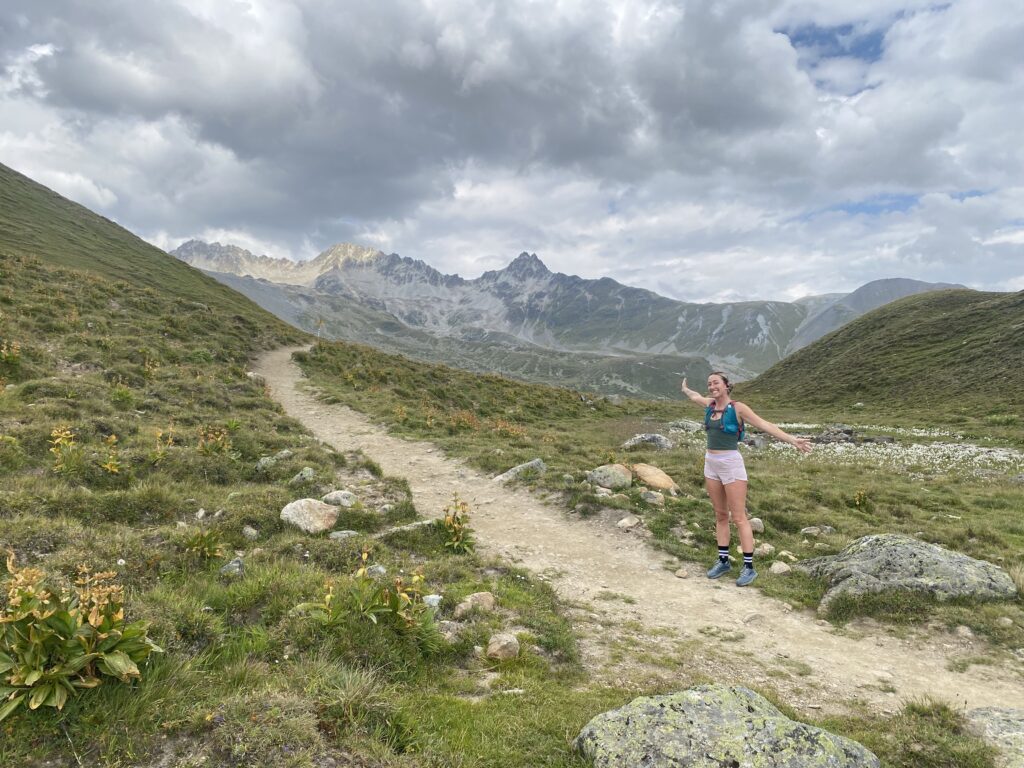
I just moved to the Swiss Alps. Well — four months ago, when summer was in full bloom and the mountains were ripe for wildflower frolicking. Being a trail runner, summers are heaven here in the Swiss Alps — traversing breathtaking mountain trails that lead into enchanted forests and over raging, fresh glacier rivers. I love summer in Switzerland. It’s so… perfect.
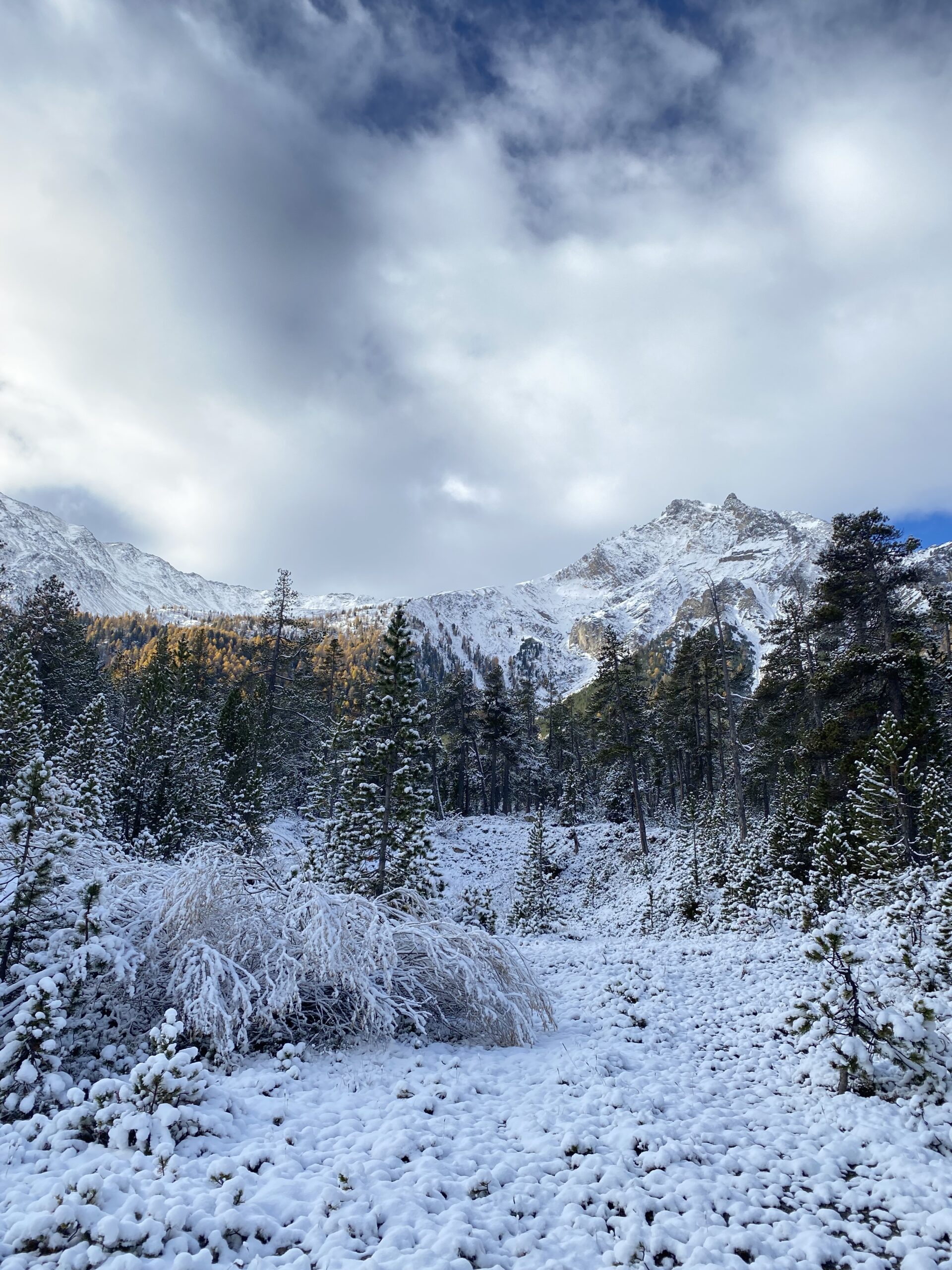
Now, fall is all but on its way out. We’ve already had our first dusting of snow, only for the temperature to swing again and reveal the bare soil once more. But winter is coming. The air is not only getting colder — it’s getting drier. I can feel it and see it, mostly on my skin. As the weeks move on, I can almost hear my skin whispering a silent plea: “Help! I need…”
What? What do you need?!
Not going to lie — a mild panic set in as I started to see my skin go from soft and supple to dry, rough, and shriveled. I’m not in coastal Northern California anymore, where a January day can still warm to 70 degrees. The ocean fog that used to roll over the mountains, softening the air and wrapping everything in a kiss of moisture, is all but a memory now.
(Please help… my skin begs!)
The nutritionist in me of course runs to the rescue, knowing that the air, the food, and the entire environment are different here — and my body isn’t used to this climate.
I already know hydration is so much more than your daily water intake. But to truly understand how to adapt here, I had to slow down and listen — to my body and to nature. What was happening around me?
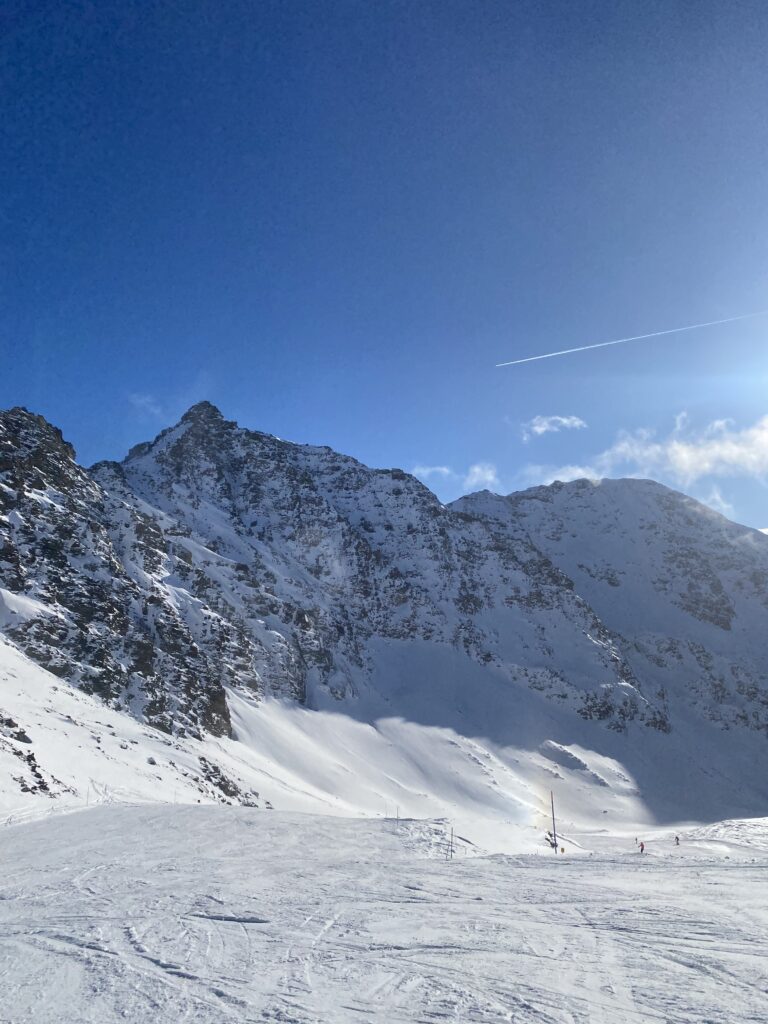
The answer became blindingly obvious when I noticed the sun disappearing behind the high mountain peaks at 2:30 p.m. every day.
Goodbye sun. Goodbye light. Goodbye… vitamin D.
So my body wasn’t asking for more water — it was asking for sunlight.
☀️ Sunlight: the missing nutrient
When the sun sits low in the sky through the winter months, something profound happens inside us. At higher altitudes and latitudes, the solar angle becomes too shallow for UVB rays to reach the earth’s surface. That means your skin can’t produce vitamin D, a hormone that quietly governs thousands of cellular processes — including how your skin holds moisture.
In summer, UVB light hits your skin and transforms cholesterol into vitamin D3. This cascade tells your skin cells to make more lipids, ceramides, and collagen — the natural moisturizers that keep your skin smooth and elastic. Without it, the skin’s outer layer (the stratum corneum) loses its “mortar,” and water begins to escape through transepidermal water loss.
You could say that vitamin D is your skin’s way of drinking sunlight.
And right now, my skin was CRAVING it.
❄️ The biological winter
As the light fades, several things shift:
- No UVB = no new vitamin D production
- Cold, dry air draws water out of your skin faster than it can replenish
- Indoor heating dehydrates air and strips the skin’s lipid layer
- Less movement and circulation mean fewer nutrients reach the skin
- Higher cortisol (from lack of natural light exposure) slows barrier repair
It’s not just your skin that dries out — your whole system does. Hydration is multidimensional: it’s about light, lipids, minerals, and rhythm.
🔥 How to mimic sunlight from the inside out
1. Feed your internal sun
Even when the real sun disappears, you can still nourish its chemistry:
- Supplement vitamin D3 + K2 (with a meal containing fat)
- Pair it with magnesium — it’s required for D activation
- Eat foods rich in fat-soluble vitamins: egg yolks, liver, salmon, butter, tallow
- Hydrate with minerals, not just water: orange juice + pinch of sea salt + cream of tartar (for potassium)
2. Bring back the light
You can’t replace sunlight, but you can recreate its effects:
- Morning light in your eyes, even on cloudy days, resets your circadian rhythm
- Red or infrared light therapy boosts collagen, circulation, and mood
- Infrared saunas or fireplaces nourish your body with gentle heat and mitochondria-activating wavelengths
3. Support your skin barrier
- Use tallow balm or natural fat-based moisturizers on damp skin
- Avoid foaming cleansers that strip oils
- Add a humidifier or bowl of water near heaters to restore indoor moisture
- Support collagen with bone broth, gelatin, and glycine-rich foods
4. Move warmth through your body
Hydration isn’t static. It’s movement — through blood, lymph, breath, and sound.
Walk outside daily. Contrast hot and cold. Sing or hum to keep your vagus nerve and circulation alive.
5. Nourish your emotional hydration
When light fades, our mood often follows. Sunlight normally raises serotonin and endorphins, so its absence can leave us depleted on every level.
Warmth becomes an emotional practice: sound baths, candlelight, connection, laughter, gratitude.
Your skin listens to all of it. At least, I think it does.
💧 Hydration isn’t just water — it’s flow
When we think of hydration, we picture water bottles and serums. But true hydration is about flow.
It’s about how light, lipids, minerals, and nervous system calm move through your body.
The reason your skin glows in summer isn’t only the humidity — it’s because your hormones, mitochondria, and emotions are in harmony with the light.
In winter, we have to rebuild that rhythm consciously. In winter, we have to rebuild that rhythm consciously. And honestly — that’s part of the beauty of it. The stillness invites us to slow down and create warmth from within.
It’s the essence of what the Scandinavians call hygge — the simple art of finding comfort, softness, and joy in the darker months. It’s the candlelight that replaces sunlight, the soup that replaces the sea, the quiet ritual that reminds us we’re still alive and glowing even when nature goes inward.
Winter asks us to do the same — to go inward.
To nourish not just with water, but with warmth.
To dive a little deeper into what we truly need and who we are.
✨ A new kind of hydration
Winter doesn’t have to mean dullness and dryness.
It’s a season of slowing down — of nourishing the deeper layers.
When we feed our internal sun — through nutrition, light, and warmth — we don’t just keep our skin hydrated; we keep our spirit hydrated, too.
Hydration is how the body remembers sunlight.
Even in the darkest months, we can still glow from within.
I’m only just beginning this journey myself as I prepare for my first true winter here in the Alps — a journey not just about skincare, but about my relationship with the environment around me.
My hope and philosophy are simple: be patient, pause, and listen.
Observe.
Because when you do, the answers are often right there in front of you — in nature, and in the quiet, everyday moments that remind us how deeply we belong to it.
love,
Bridgette
Leave a Reply
You May Also
Black Sesame Seed Latte (Caffeine-Free)
Nourishment
Life In the alps
What the Sauna Taught Me
Travel
My Must-Have Essentials for Health and Beauty on the Go
Nourishment
Homemade Soft-Glide Natural Deodorant
Nourishment
My Lunch: Leftover Pizza + a Stick of Celery... it's not what you think.
Sound
The Healing Power of Sound Starts With Your Own Voice
Summer Alignment Library
A self-paced collection of sound journeys, nourishment guidance, and embodied practices created to help you move through summer with more intention, pleasure, and ease.
✨ Sound journeys for awakening and expansion
✨ Seasonal nourishment, hydration, and simple recipes
✨ Rituals and embodied practices for your daily rhythm
